


Blog
Home Organisation Ideas for Small Spaces in Sharjah

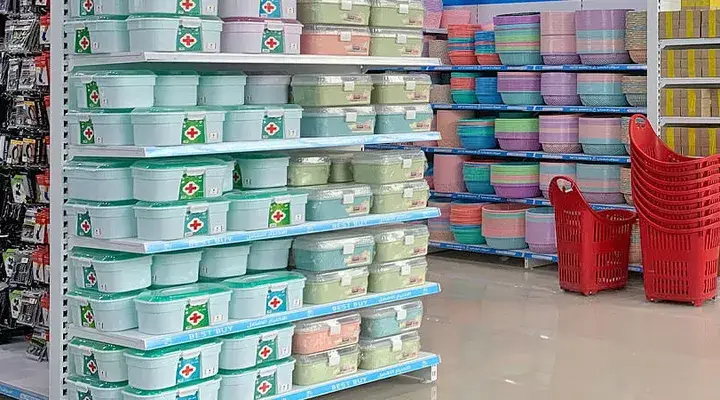
To organise a small home, start with one area that slows down your day. Measure the space and its narrowest opening, move frequently used items closer to where you use them, and test one organiser before buying a matching set. A shallow tray by the door or a divider in a shared drawer can do more for a daily routine than clearing an entire room.
Measure the shelf and the way it opens
Measure the usable width, depth and height inside the cupboard, drawer or shelf. Then measure the path the organiser must take to get inside. A hinge, door frame or pipe can make the opening narrower than the interior. For a lidded box or pull-out basket, check how far it needs to lift or slide when you actually use it.
Imagine a cupboard that is 40 cm wide inside with a 35 cm clear opening. A rigid 38 cm box cannot slide straight through the opening. A 32 cm box leaves 3 cm of total width to spare at the entrance, provided 32 cm includes any handles or rims. Check its depth and height separately, and give yourself enough room to grip it when it is full.
Put everyday items where you use them
Choose what will live in the space before choosing a container. Start with a group you handle together, such as keys and your work pass by the door, or tea bags and a scoop beside the kettle. Keep one easy-to-reach place for the daily group. Use a higher shelf or a less accessible spot for lightweight items you rarely need.
| Spot | Try this | Check it in use |
|---|---|---|
| Entry surface | A shallow tray for keys and a pass | Check that you can set them down and pick them up with one hand. |
| Shared drawer | Separate small items with a low divider | Close the drawer with the tallest item inside. |
| Kitchen cupboard | A handled basket for packets you use together | Pull the loaded basket out without moving the items beside it. |
| Wardrobe shelf | A lidded box for occasional accessories | Check that you can lift the box and open it comfortably. |
Clear or open containers make contents easier to spot. Lids can help when you stack occasional items and the containers are designed for stacking. In a shared household, a clear label such as “spare cables” helps people put things back in the same place.
Check how the storage works when it is full
Try the layout with a box or tray you already own. Put the items you actually use inside, then repeat the routine for a week. Can you get the item you need without emptying the box? Does the door still close? Do other people in the household know what goes where? If a stack makes you lift two containers every morning, move the daily items to the top or give them an open spot of their own.
Make one change based on what you notice. You might need a shallower tray, a label or a different spot for the whole group. Once the setup is easy to use and put back, repeat the same approach in the next cluttered area.
Take a measurement list shopping
Bring the clear opening dimensions, a photo of the shelf or drawer and a list of what needs to fit. In the shop, check the organiser’s outside dimensions with the handles and lid in place. When you are working on kitchen cupboards, the first-home kitchen checklist can help you decide how much space to set aside for cookware and food containers.
Browse Household Essentials at Gifts Markets on Al Wahda Street, next to City Centre Sharjah. For directions or to check availability of a specific size, use the store contact page.